Skip to content
Thrigby Hall Wildlife Gardens Logo
  • HOME
  • VISIT
    • PLAN YOUR VISIT
    • WILDLIFE GARDENS MAP
    • HISTORY
    • THRIGBY HALL JOURNAL
  • ANIMALS
    • VIEW ANIMALS
    • EXPERIENCES
  • ADOPTIONS
  • CONSERVATION
  • TICKETS
    • FRIENDSHIP PASS
    • VIEW ALL TICKETS
  • HOME
  • VISIT
    • PLAN YOUR VISIT
    • WILDLIFE GARDENS MAP
    • HISTORY
    • THRIGBY HALL JOURNAL
  • ANIMALS
    • VIEW ANIMALS
    • EXPERIENCES
  • ADOPTIONS
  • CONSERVATION
  • TICKETS
    • FRIENDSHIP PASS
    • VIEW ALL TICKETS
Thrigby Hall Wildlife Gardens Logo

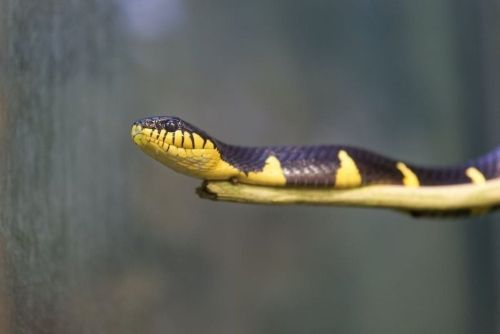
Mangrove Snake

at Thrigby Hall Wildlife Gardens

Mangrove Snake – Appearance, Habitat & Venom | Thrigby Hall

Quick Facts

  • Latin Name: Boiga dendrophila
  • Diet: Carnivore
  • Lifespan: 12–20 years
  • Size: 2–2.5 m
  • Weight: Up to 2.5 kg
  • Habitat: Mangrove forests, coastal regions
  • Range: Southeast Asia
  • Conservation Status (IUCN): Least Concern

The IUCN Red List is a critical indicator of the health of the world’s biodiversity.

About Our Mangrove Snake

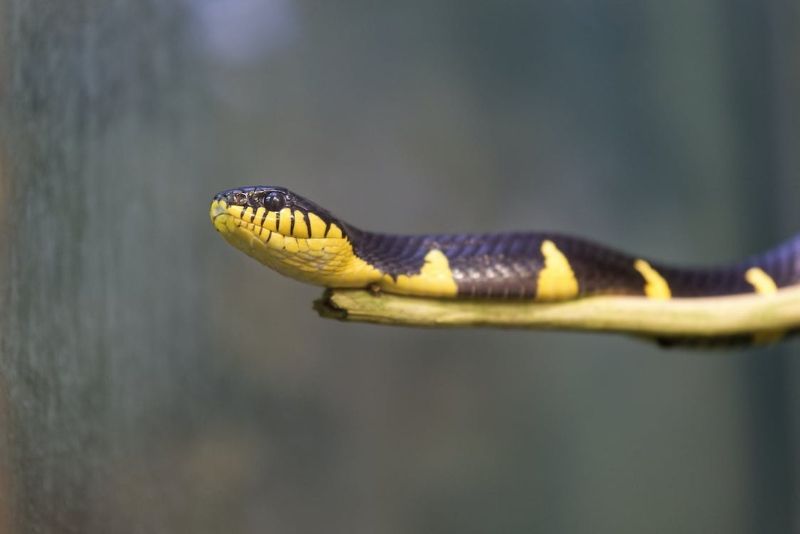
The Mangrove Snake (Boiga dendrophila) is a visually striking and highly agile snake species native to the mangrove forests and coastal regions of Southeast Asia. Recognised for its sleek black body adorned with bright yellow bands, it is one of the most eye-catching members of the colubrid family.

This species is rear-fanged, meaning its venomous fangs are positioned at the back of its mouth. While mildly venomous, the Mangrove Snake poses no significant threat to humans. Its venom is primarily used to immobilise small prey such as birds, reptiles, and amphibians.

Highly adaptable and often active at night, this snake is both a skilled climber and swimmer, well-suited to its swampy habitat.

Help Protect Mangrove Snake - Adopt Today!

You can support the care of this incredible animal by adopting one today. Animal adoptions at Thrigby Hall help fund essential food, care, and conservation efforts. Adoptions make a thoughtful gift and are a great way to support endangered species.

Adoptions

Gallery

Mangrove Snake – Appearance, Habitat & Venom | Thrigby Hall

More Wild Residents You’ll Love

White-handed Gibbon

White-handed Gibbon

Visayan Warty Pig

Visayan Warty Pig

Vietnamese Pond Turtle

Vietnamese Pond Turtle

Sumatran Tiger

Sumatran Tiger

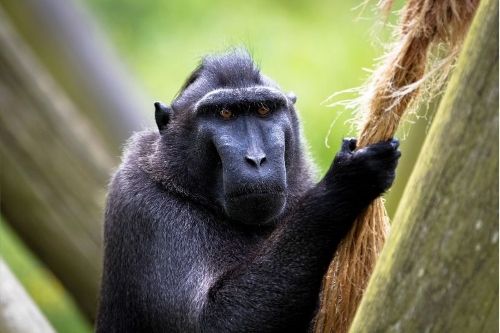
Sulawesi Crested Macaque

Sulawesi Crested Macaque

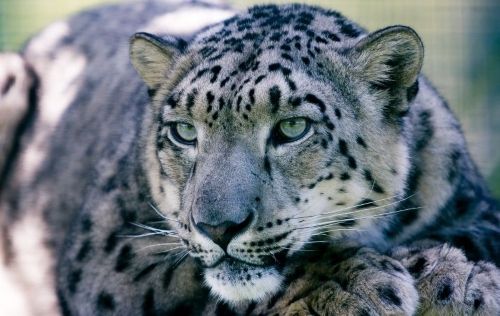
Snow Leopard

Snow Leopard

Siamese Crocodile

Siamese Crocodile

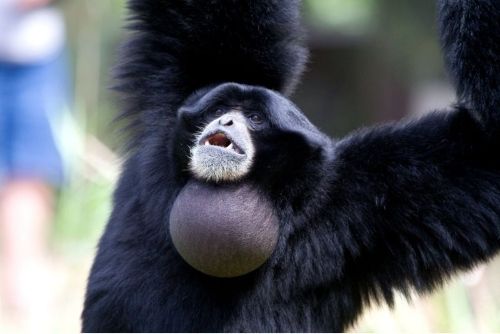
Siamang Gibbon

Siamang Gibbon

Scottish Wildcat

Scottish Wildcat

Saltwater Crocodile

Saltwater Crocodile

Reticulated Python

Reticulated Python

Red Panda

Red Panda

Owston’s Palm Civet

Owston’s Palm Civet

Meerkat

Meerkat

Mangrove Snake

Mangrove Snake

Indo-Chinese Box Turtle

Indo-Chinese Box Turtle

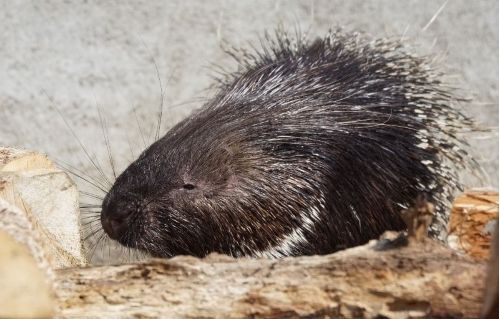
Indian Porcupine

Indian Porcupine

Clouded Leopard

Clouded Leopard

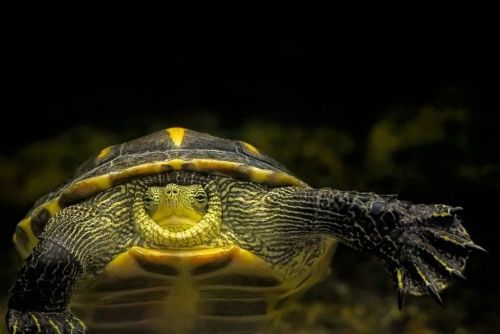
Chinese Striped-Neck Turtle

Chinese Striped-Neck Turtle

Burmese Python

Burmese Python

Buff Cheeked Gibbon

Buff Cheeked Gibbon

Blood Python

Blood Python

Binturong

Binturong

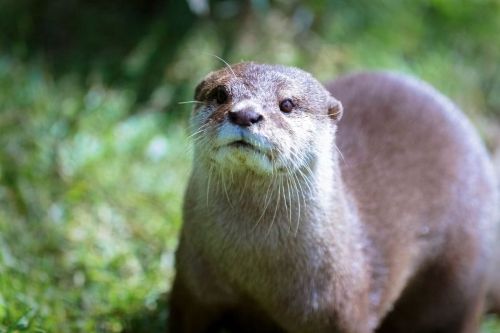
Asian Short Clawed Otter

Asian Short Clawed Otter

Asian Leopard Cat

Asian Leopard Cat

Amur Leopard

Amur Leopard

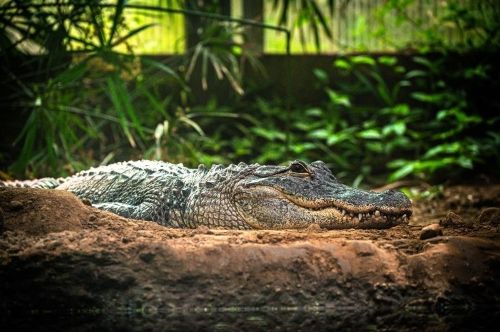
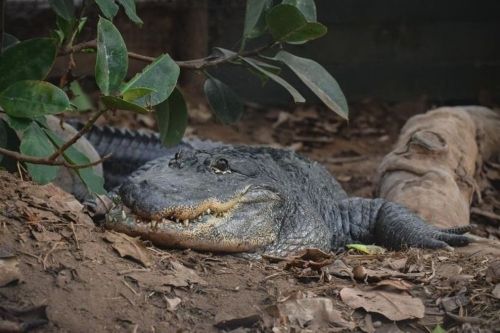
American Alligator

American Alligator

Book Online
NOW &
SAVE
On Your Day

Book Now

Thrigby Hall

WILDLIFE GARDENS

Filby Road,
Thrigby,
Great Yarmouth
Norfolk
NR29 3DR.

Tel: 01493 369477

Our History
Find Us
Contact Us

Explore Thrigby

Make the most of your day out

  • Plan Your Visit
  • Park Map
  • Animals
  • Feeding Experiences
  • Adoptions
  • Conservation

Tickets & Info

Bookings, gifts & updates

  • Tickets

  • Friendship Pass
  • Gift Vouchers
  • Journal
Thrigby Hall Gardens & Wildlife

© 2012 - 2026 • © 2012 - 2023 • All Rights Reserved, Thrigby Hall, Wildlife Gardens •
• Privacy • Cookies • Terms & Conditions • Site Map

Website design & build BHS Digital

Page load link

BOOK ONLINE FOR DISCOUNTED TICKETS

TICKETS
FIND US
TICKETS
FIND US
Go to Top