Skip to content
Thrigby Hall Wildlife Gardens Logo
  • HOME
  • VISIT
    • PLAN YOUR VISIT
    • WILDLIFE GARDENS MAP
    • HISTORY
    • THRIGBY HALL JOURNAL
  • ANIMALS
    • VIEW ANIMALS
    • EXPERIENCES
  • ADOPTIONS
  • CONSERVATION
  • TICKETS
    • FRIENDSHIP PASS
    • VIEW ALL TICKETS
  • HOME
  • VISIT
    • PLAN YOUR VISIT
    • WILDLIFE GARDENS MAP
    • HISTORY
    • THRIGBY HALL JOURNAL
  • ANIMALS
    • VIEW ANIMALS
    • EXPERIENCES
  • ADOPTIONS
  • CONSERVATION
  • TICKETS
    • FRIENDSHIP PASS
    • VIEW ALL TICKETS
Thrigby Hall Wildlife Gardens Logo

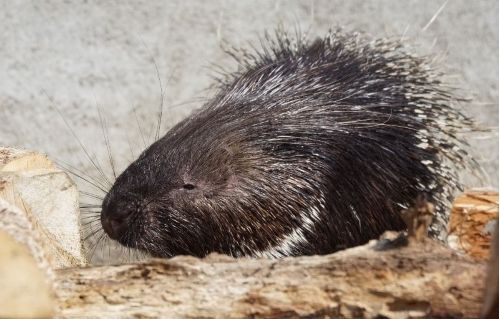
Indian Porcupine

at Thrigby Hall Wildlife Gardens

Indian Porcupine

Quick Facts

  • Latin Name: Hystrix indica
  • Diet: Roots, fruits, crops, bark, bones
  • Lifespan: 12–15 years
  • Size: 70–90 cm
  • Weight: 11–18 kg
  • Habitat: Forests, deserts, rocky crevices
  • Range: India, Nepal, Pakistan, Middle East
  • Conservation Status (IUCN): Least Concern

The IUCN Red List is a critical indicator of the health of the world’s biodiversity.

About Our Indian Porcupine

The Indian porcupine is a sturdy, ground-dwelling species found across a wide range, from India and Nepal to the Middle East, including countries like Israel, Iran, and Saudi Arabia. Unlike their tree-climbing relatives in the Americas, Indian porcupines stick to the ground and are most often seen in rocky crevices, forests, hillsides, and dry deserts.

These porcupines are stocky and well-armoured, with a coat of sharp quills that serve as their main defence. When threatened, they rattle their hollow spines to warn predators—and if that fails, they can charge backwards to deliver a painful jab.

Indian porcupines are mainly herbivores, feeding on roots, fruits, bulbs, and bark. They’ve also been known to gnaw on bones for calcium or even eat carrion on occasion. Like all rodents, they need to chew regularly to keep their constantly growing teeth in check.

Help Protect Indian Porcupine - Adopt Today!

You can support the care of this incredible animal by adopting one today. Animal adoptions at Thrigby Hall help fund essential food, care, and conservation efforts. Adoptions make a thoughtful gift and are a great way to support endangered species.

Adoptions

Gallery

Indian Porcupine at Thrigby Hall

More Wild Residents You’ll Love

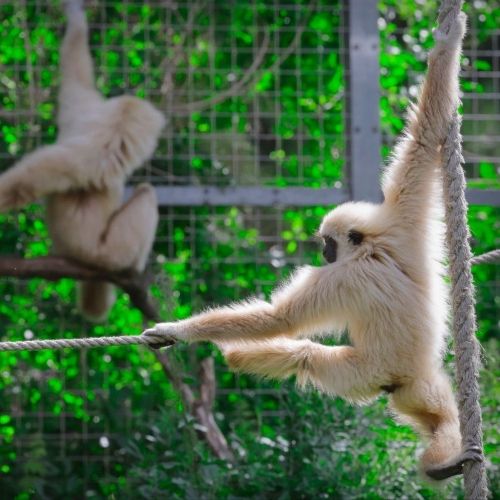
White-handed Gibbon

White-handed Gibbon

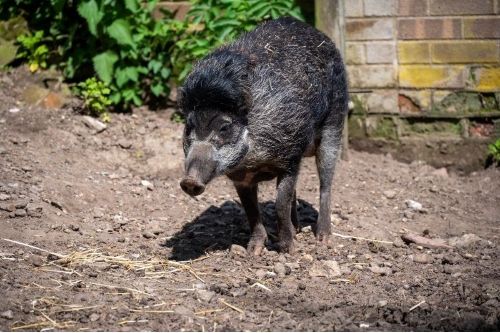
Visayan Warty Pig

Visayan Warty Pig

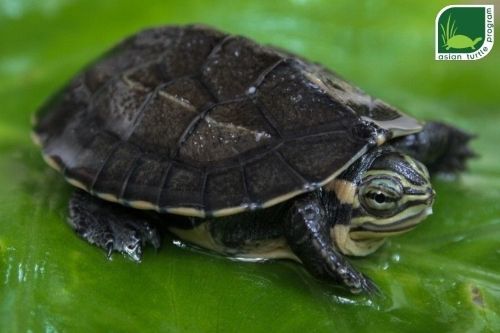
Vietnamese Pond Turtle

Vietnamese Pond Turtle

Sumatran Tiger

Sumatran Tiger

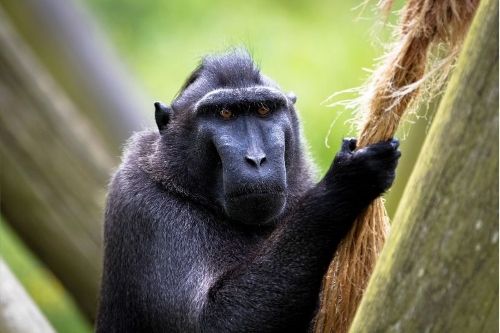
Sulawesi Crested Macaque

Sulawesi Crested Macaque

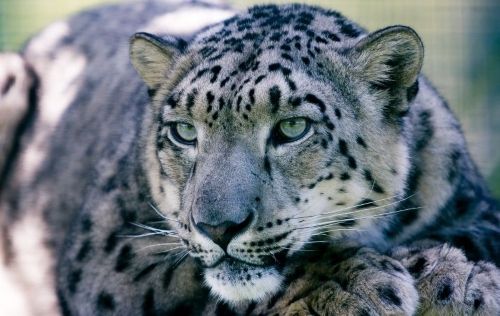
Snow Leopard

Snow Leopard

Siamese Crocodile

Siamese Crocodile

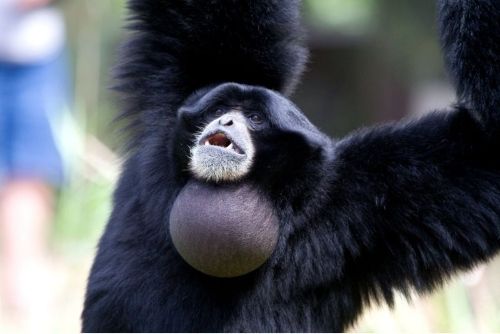
Siamang Gibbon

Siamang Gibbon

Scottish Wildcat

Scottish Wildcat

Saltwater Crocodile

Saltwater Crocodile

Reticulated Python

Reticulated Python

Red Panda

Red Panda

Owston’s Palm Civet

Owston’s Palm Civet

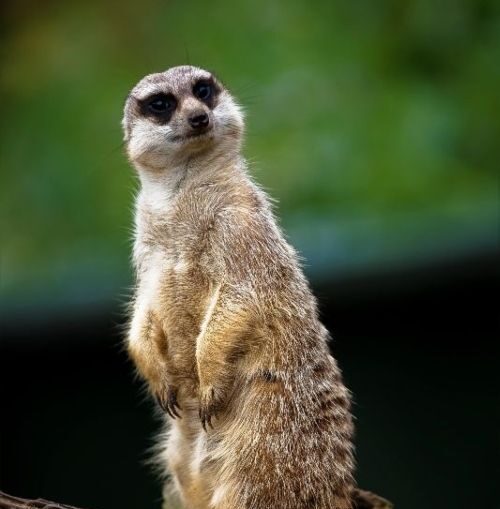
Meerkat

Meerkat

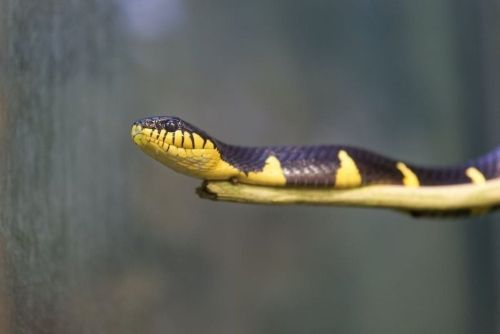
Mangrove Snake

Mangrove Snake

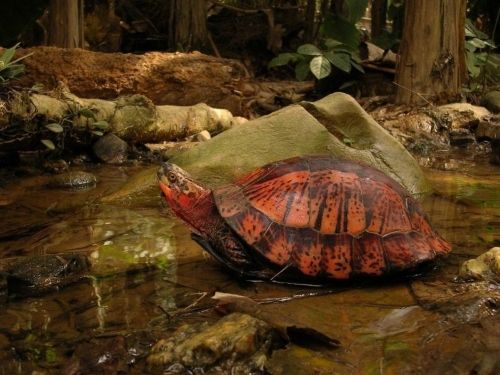
Indo-Chinese Box Turtle

Indo-Chinese Box Turtle

Indian Porcupine

Indian Porcupine

Clouded Leopard

Clouded Leopard

Chinese Striped-Neck Turtle

Chinese Striped-Neck Turtle

Burmese Python

Burmese Python

Buff Cheeked Gibbon

Buff Cheeked Gibbon

Blood Python

Blood Python

Binturong

Binturong

Asian Short Clawed Otter

Asian Short Clawed Otter

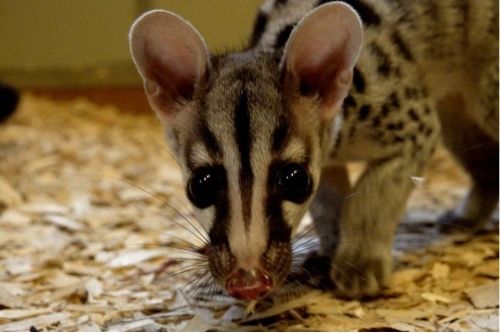
Asian Leopard Cat

Asian Leopard Cat

Amur Leopard

Amur Leopard

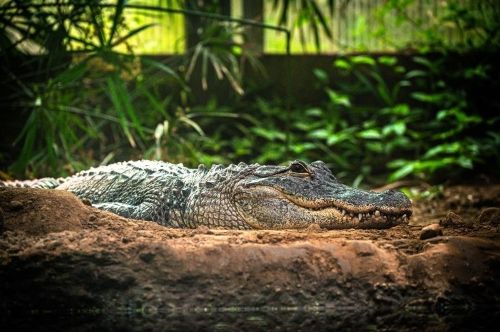
American Alligator

American Alligator

Book Online
NOW &
SAVE
On Your Day

Book Now

Thrigby Hall

WILDLIFE GARDENS

Filby Road,
Thrigby,
Great Yarmouth
Norfolk
NR29 3DR.

Tel: 01493 369477

Our History
Find Us
Contact Us

Explore Thrigby

Make the most of your day out

  • Plan Your Visit
  • Park Map
  • Animals
  • Feeding Experiences
  • Adoptions
  • Conservation

Tickets & Info

Bookings, gifts & updates

  • Tickets

  • Friendship Pass
  • Gift Vouchers
  • Journal
Thrigby Hall Gardens & Wildlife

© 2012 - 2026 • © 2012 - 2023 • All Rights Reserved, Thrigby Hall, Wildlife Gardens •
• Privacy • Cookies • Terms & Conditions • Site Map

Website design & build BHS Digital

Page load link

BOOK ONLINE FOR DISCOUNTED TICKETS

TICKETS
FIND US
TICKETS
FIND US
Go to Top